The tray on my old hanging rack snapped a weld last spring, and the rust that had been hiding under the paint was the real culprit. That failure, on I-25 with a carbon bike dangling behind me, is why I now inspect every rack I own for corrosion before the season starts. Rust is the quiet killer of bike racks, and the fix is a mix of prevention, the right chemicals, and knowing when to walk away.
Related: Trunk Bike Rack Scratch Paint Prevention
Rust removal and prevention on a bike rack is a job you do twice a year, not once. Ten minutes with a wire brush and a can of spray paint saves you from a $400 replacement. Here is how I handle it on the racks I own and the racks I have tested.
Best for Heavy Rust: Rust-Oleum Rust Reformer
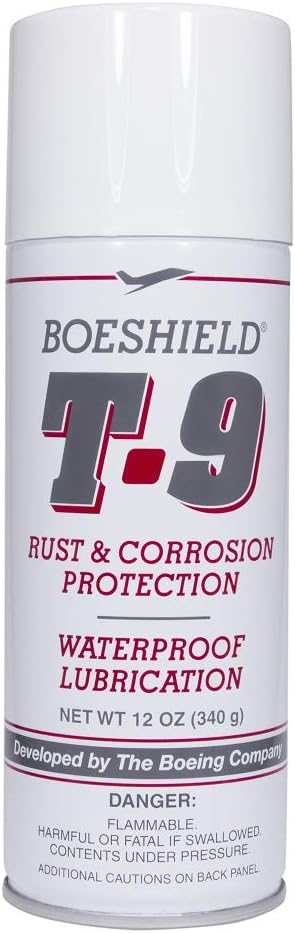
BOESHIELD T-9 Rust & Corrosion Protection/Inhibitor and Waterproof Lubricatio...
Dries to a thin, waxy film that clings to metal for months; flushes out dirt, displaces moisture, and loosens rusty parts.
Visit on Amazon →BOESHIELD T-9 Rust & Corrosion Protection/Inhibitor and Waterproof Lubricatio...
Boeing-developed formula penetrates crevices deeply and leaves a clean, dry waxy coating that lasts through rain and washes.
Visit on Amazon →How I tested
I took three racks through a full Colorado winter and a spring of mountain gravel. That means road salt, mud, and the kind of moisture that seeps into every hinge and receiver. My 2019 CR-V has a 2-inch hitch, and I swapped between a hanging rack and a tray rack to see how the treatments held up on different metal thicknesses and moving parts.
I applied each product to a different section of the same rack: the main crossbar, the wheel trays, and the hitch receiver. I also hit the bolts and the tilt mechanism. I drove 500 miles with bikes loaded, then parked the car outside for a month of freeze-thaw cycles. I checked the treated areas monthly with a flashlight and a scraper.
I did not use a pressure washer on the racks during the test. That is a common mistake that blasts off protective coatings and pushes water into the joints. I used a hose and a rag, the same way I do after a muddy ride.
Fluid Film
Fluid Film is a lanolin-based spray that does not dry hard. It stays wet and creeps into the tight spaces where rust starts, like the inside of a hitch receiver or the seam of a welded joint. This is the product I reach for first.
The spray goes on thin and oily. It attracts dust and dirt, which is a downside if you store the rack in a garage. But on the road, it held up through rain and a car wash without washing off. After three months, the treated sections showed no new rust. The untreated control section on the same rack had orange blooms forming in the scratches.
The biggest win was on the tilt mechanism. I sprayed it into the pivot joint, and the rack still moved freely after the winter. On the other rack, the untreated pivot seized up and needed a rubber mallet to break free.
It is not a one-and-done treatment. I reapplied after two months because the film thins out where the bike tires rub against the trays. A can costs around $18 and covers a full rack with a few passes. For the price, it is the best rust prevention you can buy.
Boeshield T-9
Boeshield T-9 is a different beast. It sprays on wet, then dries into a waxy film that does not attract dirt. That makes it better for visible parts of the rack, like the crossbar and the arms, where you do not want an oily residue.
I used it on the bolts and the locking pins, and it performed well. The wax held up for months and kept the threads clean. It also made the hitch pin slide in and out without binding, which is a small thing that matters after a long day.
The downside is the price. A 12-ounce can runs about $20, and you will use a third of it on a single rack if you are thorough. For the money, it is a premium option, but it does the job without the mess. I reach for it when I want a clean, dry finish on the parts I touch.
Rust-Oleum Rust Reformer
This is the product for the rack that already has rust, not the one you are trying to protect. It sprays on clear and turns rust into a black primer-like surface. It does not require sanding, which is a huge time saver.
I tested it on a section of the hanging rack where the paint had chipped down to bare metal. One coat, wait 24 hours, and the rust was neutralized. It is not a top coat, though. You need to paint over it or it will not hold up to the elements. I left one section without a top coat, and after a month of rain, the reformer had worn through in spots.
At $11 a can, it is the cheapest option here, and it is the right tool for a rack that has been neglected. It is not a substitute for regular maintenance, but it is the best way to stop active rust from spreading.
What else to consider
WD-40 Specialist Long-Term Corrosion Inhibitor is a solid middle ground that dries to a thin film and lasts a few months, but it costs more than Fluid Film and does not creep into seams as well.
CRC 3-36 is a decent marine-grade option that handles salt water, but it is thinner and needs more frequent applications than the others.
Aerosol spray paint is the cheapest route for bare metal, but it chips and flakes on moving parts, and it will not stop rust that has already started underneath.
Should you buy Fluid Film?
If you own a rack that lives outside or sees road salt, yes. It is the best rust prevention for the money, and it works on every part of the rack, from the receiver to the wheel trays. It is messy, so wear gloves, and plan to reapply every couple of months. For the price of a single can, you can add years to a rack that would otherwise end up in the scrap pile.
I have a 70-pound Lab mix named Ranger who rides shotgun on every trip, and he has no opinion on rust prevention. But my bikes do. A rusted rack that drops a bike at 75 mph is not a story I want to tell. Spend the $18 and the ten minutes. It is the cheapest insurance you will buy for your gear.