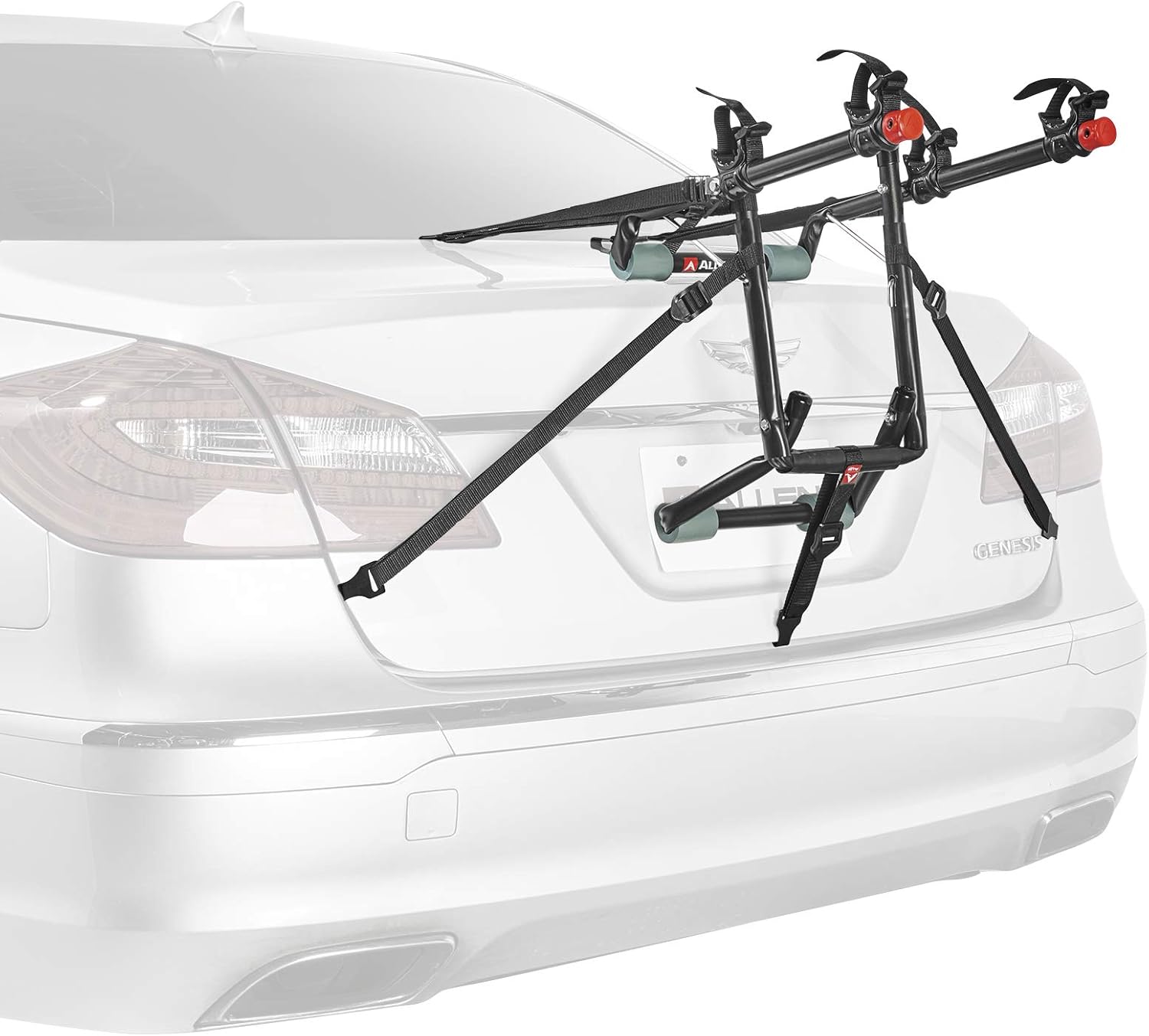
I have owned eight bike racks in twelve years, and every one of them was a car rack. Trunk straps that scratched the paint on a wagon I still miss. A hanging rack that swung into a highway divider outside Denver. A tray rack that took a deer strike at 70 mph and kept the bike attached. That is the world I normally write about, and I stand by every word of it.
A bike storage rack is the other half of the problem, and most riders solve it last. You get home, you lean the bike against the garage wall, it slides down, the derailleur takes the hit, and six months later you are buying a new derailleur hanger. Then the second half shows up the first time you try to carry a laptop, a week of groceries, or two days of camping gear on a bike that has no mounts for anything.
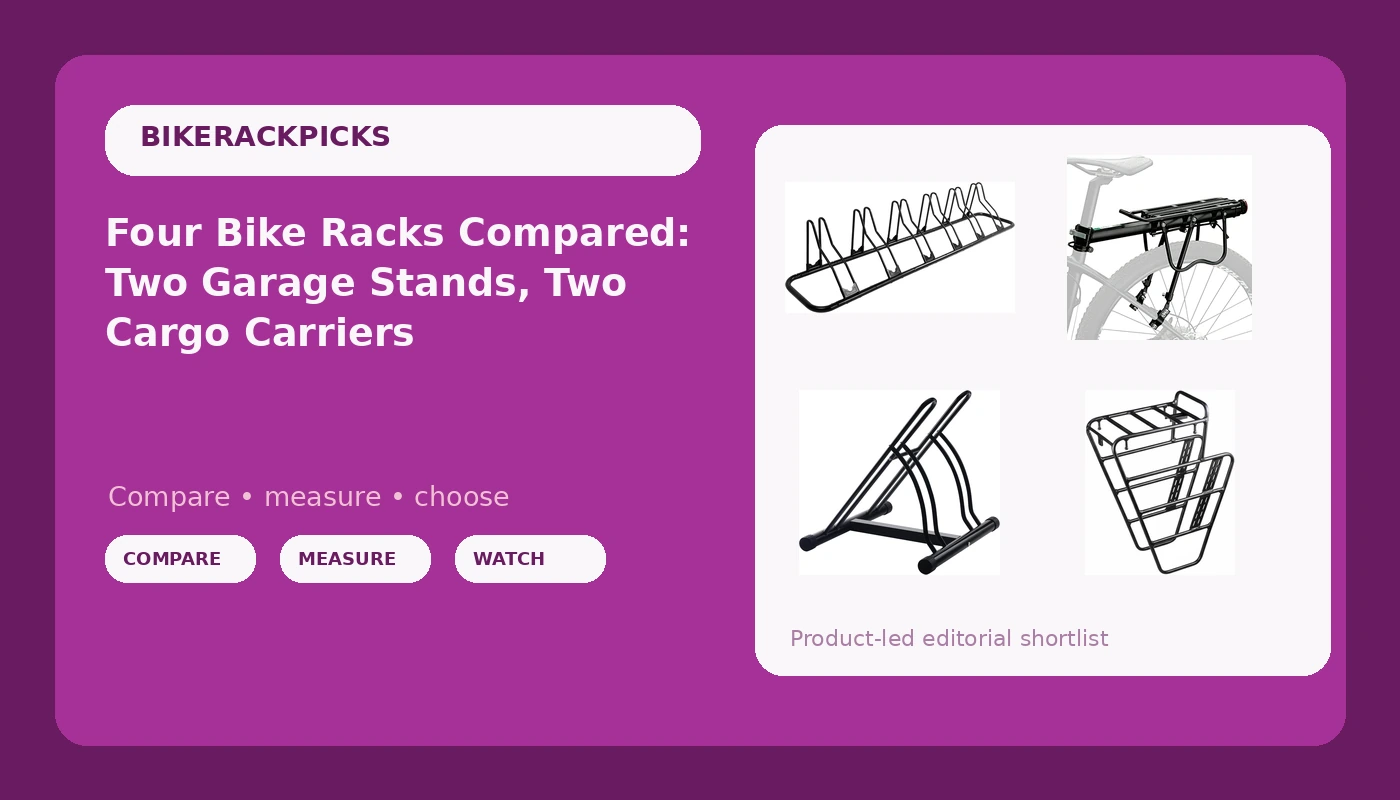
This comparison covers four products that solve those two problems. Two are floor stands that hold bikes in a garage. Two are cargo racks that bolt to the bike itself. None of them is a hitch rack, and that is deliberate: storage and carrying capacity are the questions I get most often after the tray rack conversation ends, and the answers cost a fraction of what a full hitch setup does.
Related: Hitch Rack Wobble: What Actually Matters At 75 Mph
The short answer: if you have more than two bikes and any garage wall at all, the CyclingDeal floor stand is the highest-value thing on this list. If you have two bikes and no garage, the RAD Cycle dual stand does the same job in less space. If you need to carry gear while you ride, the ROCKBROS rear rack is the commuter pick, the Gralara front carrier is the bikepacking pick, and the two are not interchangeable.
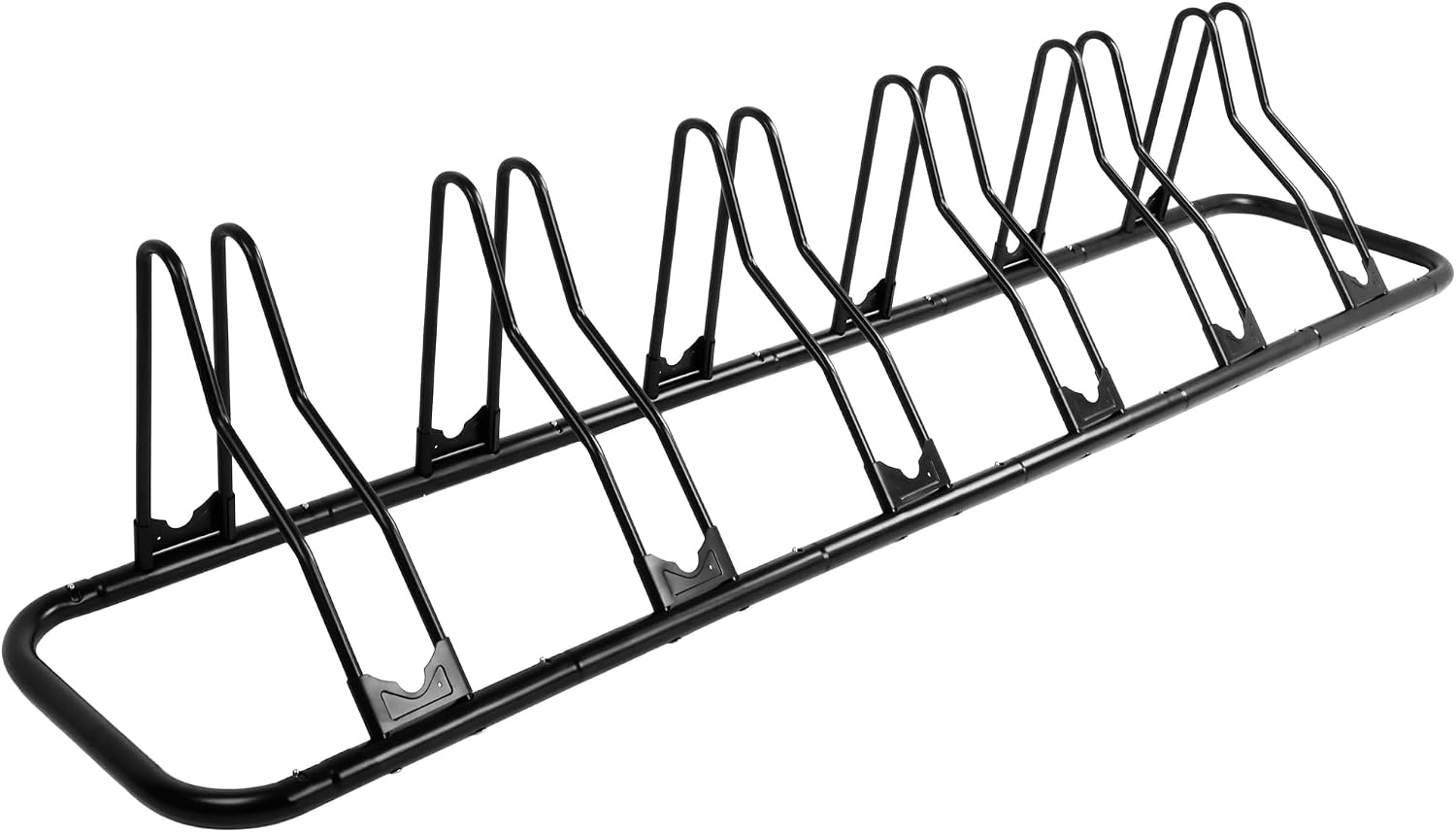
CyclingDeal Bicycle Floor Parking Rack Stand
Holds a whole fleet upright in one footprint, mountain and road bikes, no wall drilling
Six-bike capacity eats floor depth, and it is overkill for a two-bike household
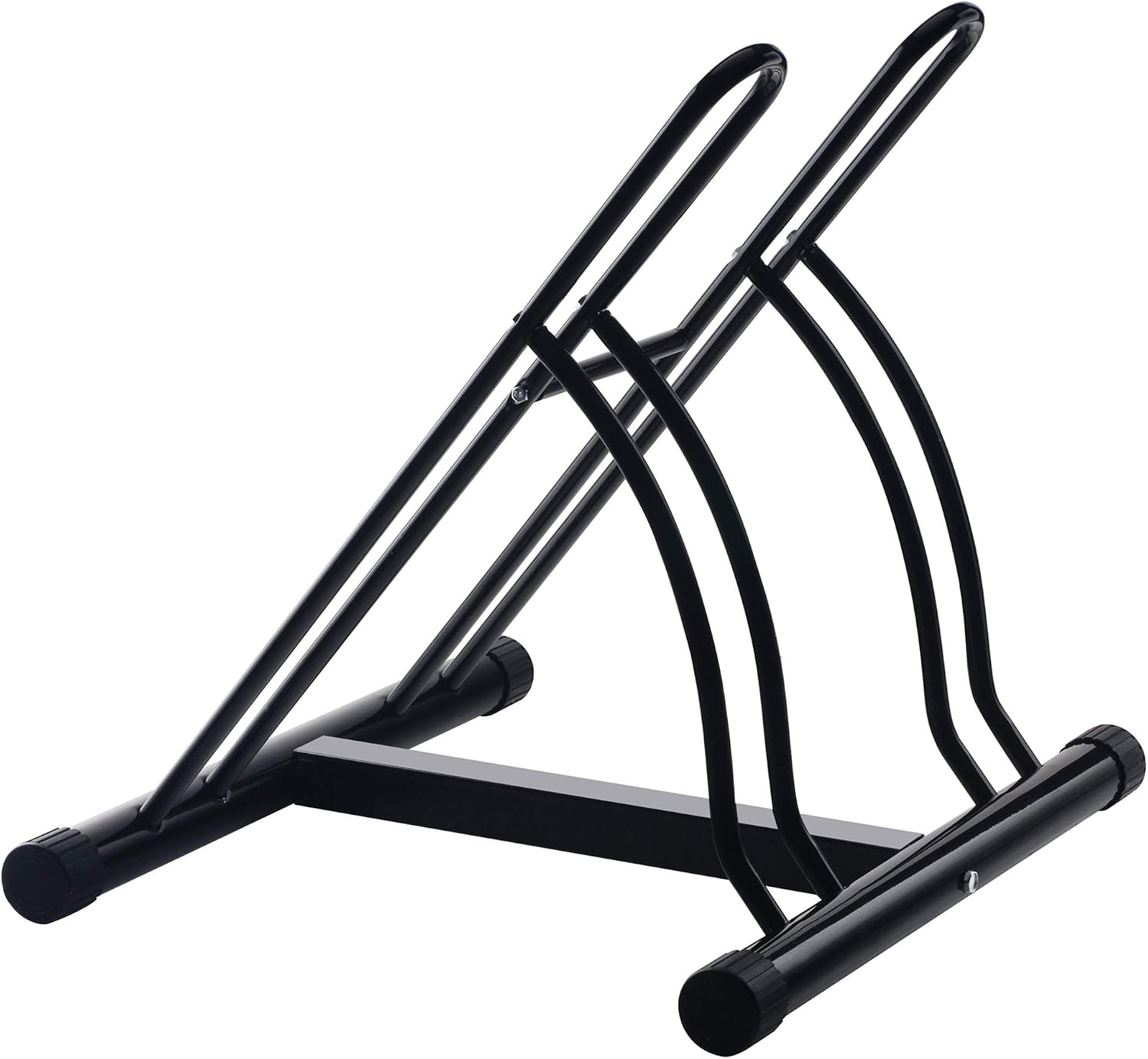
RAD Cycle Dual Bicycle Stand
Steel, two bikes, indoor or outdoor, tire-cradle design that needs no frame contact
Two-bike limit, and steel left outside needs a rust watch
ROCKBROS Rear Bike Rack Quick Release Cargo Rack
Quick release mounting, built for luggage and commuting, keeps weight off your back
Rear weight changes handling, and fit depends on your frame and brake layout
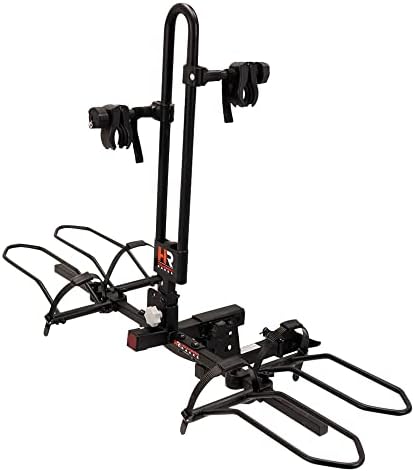
Gralara Gravel Bike Front Carrier
Welded aluminum alloy, built for expeditions and bikepacking loads
Front loads steer the bike for you, and mounting is not universal
Prices and availability were captured from Amazon Creators API and may change.
Storage and carrying are two different purchases
The mistake I see most often is treating these four products as alternatives to each other. They are not. A floor stand holds a bike that is not being ridden. A cargo rack carries gear while the bike is moving. Different job, different failure mode, different set of things that can go wrong.
A bad floor stand drops a bike at zero miles per hour in your own garage. Annoying, occasionally expensive, never dangerous. A bad cargo rack drops a load at 25 mph in traffic, which is a completely different category of problem. That asymmetry should shape how much research you do on each one. I will spend an hour reading about a stand and a week reading about anything that clamps to a frame.
The other thing worth saying up front: none of these four products replaces a hitch rack. If your actual problem is getting four bikes to a trailhead 90 minutes away, a floor stand will not help you, and I would rather tell you that now than sell you the wrong category. These are for the garage and for the ride itself.
Floor stands: the CyclingDeal six-bike and the RAD Cycle dual
Floor stands are the cheapest way to fix a garage. No studs to find, no lag bolts, no landlord conversation. The bike goes in, the bike stays up, and the drivetrain stops getting beaten against a concrete wall.
The CyclingDeal Bicycle Floor Parking Rack Stand is the volume answer. The listing calls it the Classic 6 Bikes model and specifies mountain and road bikes, and that matches how these stands are normally used: one long footprint along a wall, six bikes slotted in by the wheel, no frame contact at all. That last part matters more than people realize. Wheel-based storage means your carbon frame, your paint, and your hydraulic brake lines are never bearing the weight of the bike. The trade-off is depth. A six-bike stand wants a real stretch of wall and it pushes bikes out into the garage, so measure before you buy.
If you have two bikes and a tighter space, the RAD Cycle Dual Bicycle Stand is the smaller version of the same idea. Steel construction, two bikes, and the listing says indoor or outdoor, which is a genuinely useful distinction. Most storage stands are indoor-only products, and steel outdoors means you should expect surface rust eventually unless you keep up with it. The tire-cradle design means no frame contact here either, which is the right call for a household with a mix of road, mountain, and kid's bikes.
Visit on Amazon → for the CyclingDeal stand, or Visit on Amazon → for the RAD Cycle dual stand.
Cargo racks: ROCKBROS rear and Gralara front
This is where the real engineering is, and where I would spend my money carefully.
The ROCKBROS Rear Bike Rack is a quick release cargo rack aimed at commuting and luggage. Rear mounting is the conventional choice for a reason: a loaded rear rack makes the bike more stable at speed, not less, and the load sits over a wheel that is already carrying most of your weight. The catch is fit. A rack that clamps to a frame behaves differently on an aluminum commuter than on a carbon race bike, and quick release hardware means you need to check that your frame, brake type, and wheel setup will accept it. If you have rim brakes and a metal frame, this is a straightforward purchase. If you have a carbon frame with tight clearances, read the listing twice.
The Gralara Gravel Bike Front Carrier is the specialist of the group. Aluminum alloy, welded construction rather than bolted plates, and explicitly aimed at bikepacking and expeditions. Welded alloy is the right choice for a front carrier because front loads are the ones that fight your steering, and a flexy rack up front feels awful on a long descent. The honest trade-off is that front weight changes how the bike turns. A loaded front carrier makes a gravel bike feel like a different machine, and some riders never get comfortable with it. Bikepackers accept that trade because it balances the load and keeps the rear wheel from getting overwhelmed on steep, loose climbs.
Visit on Amazon → for the ROCKBROS rear rack, or Visit on Amazon → for the Gralara front carrier.
The trade-offs nobody puts in the bullet points
Capacity versus floor space. The six-bike stand looks like the obvious value play until you realize you are dedicating a wall and a strip of floor to bikes you ride twice a month. Two-bike stands fit in corners. If you have a two-car garage and one car, the big stand wins. If you park two cars in there, it does not.
Frame contact. Wheel-based storage is safer for expensive frames than anything that touches the top tube or the seat stay. Both stands here avoid frame contact, which is why I am comfortable recommending them for carbon owners. The same logic applies to cargo racks, except there you have no choice: a rack has to attach to the frame somewhere, so verify the mounting method before you buy.
Indoor versus outdoor. UV and rain destroy cheap hardware. The RAD Cycle stand is rated for outdoor use, which is unusual, but "outdoor" means the steel is treated, not that it is immortal. If it lives on a patio, plan on checking bolts and touching up scratches.
Rear versus front load. Rear loads are stable and dull. Front loads are balanced and twitchy. Neither is wrong, but they suit different riders, and the worst outcome is buying a front carrier for a bike you ride on fast group rides.
Weight you add versus weight you carry. A rack is dead weight when it is empty. A stand is dead space when it is empty. Both are the price of admission.
Who should buy what
The two-bike household with a garage: the RAD Cycle dual stand. It is the simplest thing on this list and it solves the problem completely.
The household with four to six bikes: the CyclingDeal floor stand, and measure your wall first. Buying this for two bikes is a waste of a good product.
The commuter who is tired of a sweaty back: the ROCKBROS rear rack, assuming your frame accepts it.
The bikepacker planning a multi-day gravel route: the Gralara front carrier, paired with a frame bag and a rear setup so the weight is split.
The rider who wants one purchase to fix everything: there isn't one, and anyone who tells you otherwise is selling something. Storage and carrying are separate problems.
The thing I keep coming back to
Every rack decision I have made in twelve years has been about safety margins, and the same logic applies to a garage stand. The cheap version of any of these products saves you a small amount of money and costs you a derailleur, a paint job, or a load on the highway. The CyclingDeal stand and the RAD Cycle stand are simple steel-and-tube products, and simple is what you want when the alternative is a bike falling over in the dark.
For the cargo racks, the calculation is different. A rear rack that fits properly is invisible. A front carrier that fits properly is a tool. Neither one is a place to save forty dollars, because the failure mode involves a moving bike and traffic. Buy the one that matches the riding you actually do, check the fit before it ships, and skip the category entirely if you only haul bikes twice a year. A stand in the garage is the better first purchase for almost everyone reading this.