I have owned eight bike racks in twelve years, and the most expensive mistake was never the rack itself. It was buying the wrong category. A trunk rack cannot do the job of a vertical stand, and a front cargo rack has nothing to say about a 75 mph highway run. So this is bike rack types compared honestly: four racks, four completely different jobs, and a straight answer on who should buy each one.
Related: Hitch Rack Wobble: What Actually Causes It
If your problem is storing bikes at home, the Housolution vertical stand is the pick for most people. If your problem is carrying bikes on a car, understand that only one product here touches a vehicle, and it is the category I trust least. The commercial steel rack and the front cargo rack solve problems that have nothing to do with hauling.
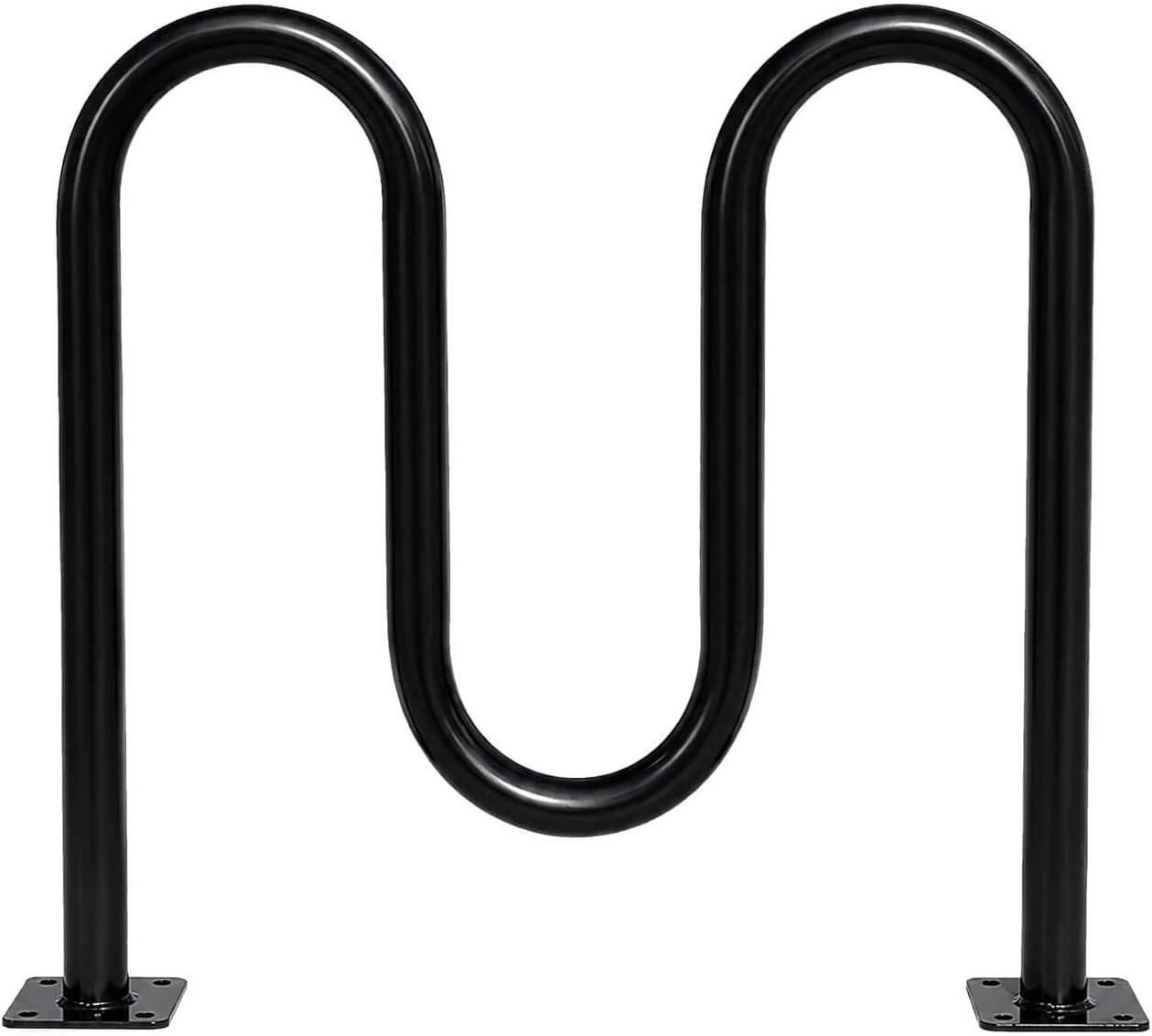
Sandbaggy Commercial Bike Racks, Galvanized Steel, Anti-Theft Design
Real infrastructure: galvanized steel, in-ground mounting, built to stay outside for years
It is a construction project, not a purchase. You need concrete and permission
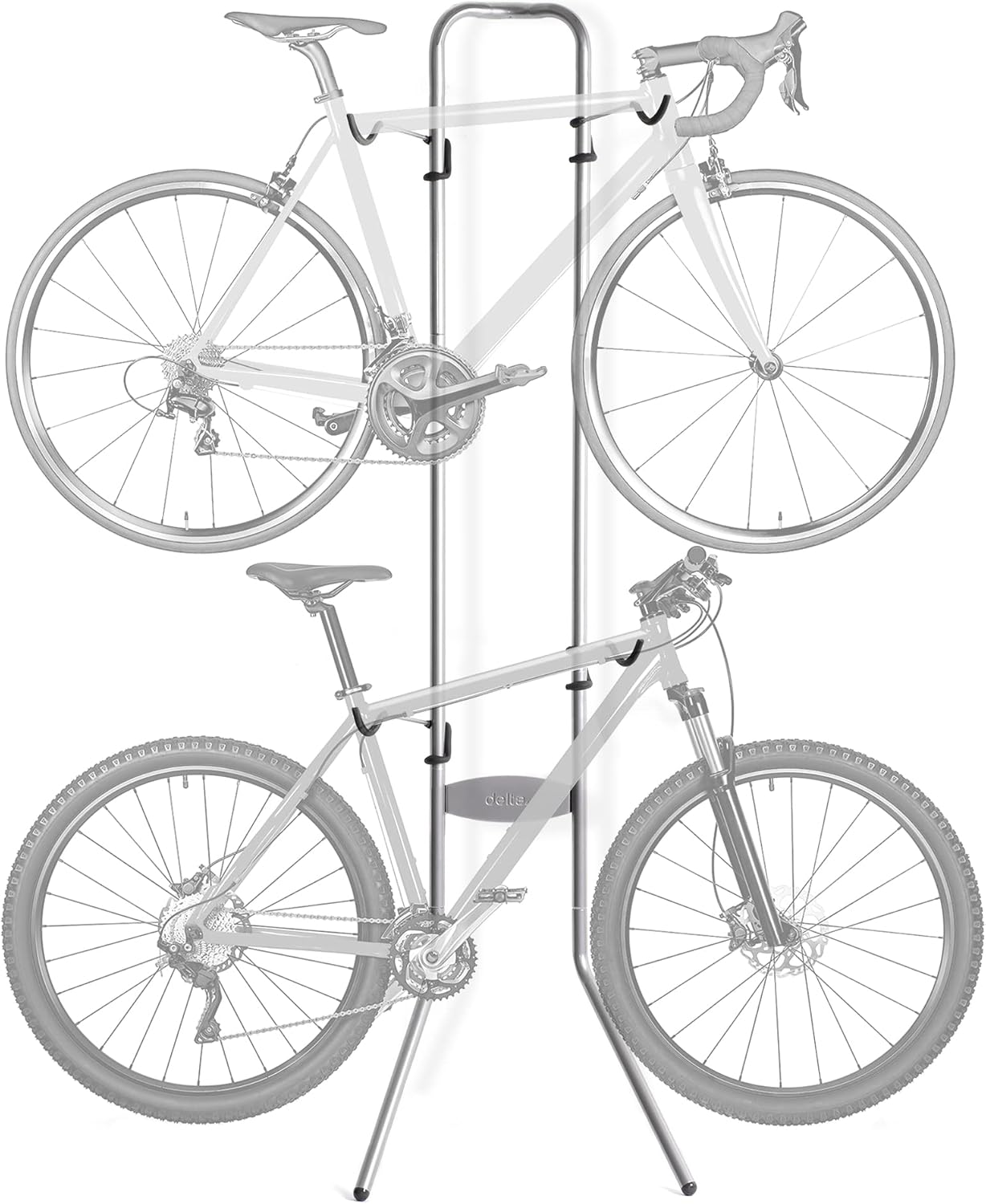
Housolution Vertical Bike Stand with Wheels up to 29", No Drilling
No drilling, rolls out of the way, stores a bike in a footprint the size of a doormat
One bike, indoor only, and it does not lock anything to anything
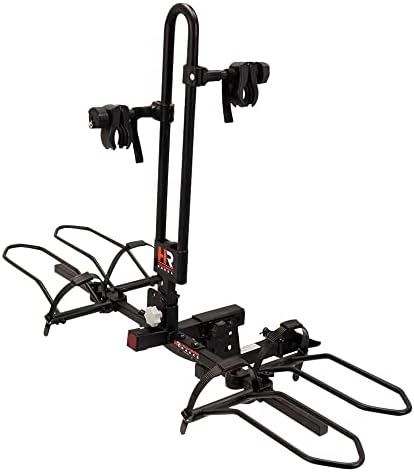
Bike Front Rack, Front Mount Aluminium Cargo Rack with Struts
Moves cargo weight forward and keeps the rear of a loaded touring bike calm
Your fork has to accept it, and steering feel changes once it is loaded
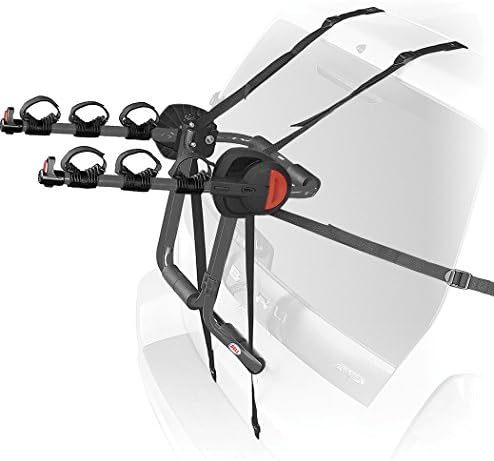
Bell Bike Trunk Rack
The only car-mounted option in this group, and the easiest to buy and return
Straps, paint contact, blocked lights. Occasional use only, on bikes you can afford to lose
Prices and availability were captured from Amazon Creators API and may change.
Start with the job, not the rack
Every bad rack decision I have watched starts with a product page and ends with a person trying to make one object do two jobs. Ask what the rack has to accomplish before you look at anything.
There are four jobs in this comparison. Permanent outdoor parking for multiple bikes at a building. Indoor storage for one bike in a small apartment. Carrying gear on a bike you are already riding. And carrying a bike on a car for a short trip. Those are not variations of the same task, and no single product here does more than one of them well.
I am a hitch rack person, and I will say that plainly. For actually hauling bikes at highway speed, a tray rack on a 2-inch hitch is the answer, and nothing in this article replaces that. What follows is an honest read on the four racks in front of me and the specific person each one fits.
The in-ground commercial rack: infrastructure, not equipment
The Sandbaggy Commercial Bike Racks entry is galvanized steel with an anti-theft design, meant for in-ground installation at apartments, sidewalks, and industrial sites. Read that description carefully, because it tells you exactly what this is: a permanent fixture, not a thing you own and move.
Galvanizing is the detail that matters most outdoors. A powder-coated rack looks better in year one and looks worse in year five, because every chip becomes a rust bloom. Galvanized steel gives up some appearance in exchange for surviving weather, road salt, and the kind of abuse a shared rack takes from people who did not pay for it.
The anti-theft framing is about the mounting method as much as the steel. A rack anchored into concrete cannot be unbolted and carried off, which is the failure mode of every freestanding rack in a public bike area. That is worth real money if you manage a building where bikes disappear.
Here is the trade-off. In-ground means concrete, and concrete means a contractor, a landlord's permission, and a decision you cannot undo. If you rent, this is not your call to make. If you own a small apartment building and your tenants are locking bikes to stairwell railings, this is the correct fix and it will outlast the fence it stands next to.
The vertical stand: the best answer for a small apartment
The Housolution Vertical Bike Stand with Wheels is the product in this group I would actually tell a friend to buy, and it is not close. It holds a bike up to 29-inch wheels vertically, it has wheels at the base, and it requires no drilling.
The no-drilling claim is the one that sells it. Renters cannot put four anchors into a wall, and most of us should not. A stand that leans a bike vertical and rolls on its own casters solves the two real problems of apartment bike storage: floor space and the fact that you rearrange your apartment more often than you think.
Rolling matters more than it sounds. A loaded vertical stand is awkward to drag, and casters mean you can move the whole assembly with the bike on it when you need the corner for something else. That is a workflow improvement, not a gimmick.
What it does not do: it stores one bike, it belongs indoors, and it locks nothing. If your building has a theft problem, a stand is not security. Also think about lifting. Getting a bike up into a vertical position is easy with a road or gravel bike and less fun with anything heavy, so if you are storing an e-bike, this is a different conversation.
The front cargo rack: for touring, not for hauling bikes
The Bike Front Rack is an aluminium front mount cargo rack with struts, sold for mountain, gravel, and touring bikes. This is a pizza rack in the classic sense: it carries stuff on the front of a bike you are riding, not a bike on the back of a car.
Front cargo is a real touring strategy. Weight over the front wheel steadies a loaded bike, keeps the rear from wagging, and lets you run smaller rear panniers or none at all. Riders who have done long self-supported trips will tell you the handling difference is noticeable, and it is the reason front racks exist as a category rather than a novelty.
The struts are the part to understand before you buy. A front rack has to attach to something, and the options are fork braze-ons, axle mounts, or clamps, depending on the design and your fork. A carbon fork with no mounts is a no. A suspension fork on a mountain bike needs a specific solution. Check your fork's mounting points before you spend anything, because this is the rack category where compatibility fails most often.
The honest trade-off is steering. Load a front rack and the bars feel heavier, and the bike turns differently at low speed. That is not a defect, it is physics, and you adapt within a ride or two. What you should not do is buy this expecting it to hold a bike. It holds a bag, a pizza, or a sleeping kit.
The trunk rack: the compromise I keep warning people about
The Bell Bike Trunk Rack is the only product here that mounts to a car, and it is the one I would recommend least. That is not a knock on this specific rack. It is the whole category.
A strap-on trunk rack holds a bike with tension and hope. It contacts your paint, it blocks your lights and license plate if it is fitted wrong, and it moves in wind in a way that a hitch-mounted tray rack simply does not. I have watched a hanging rack swing into a highway divider, and I have the paint scratches on a car I no longer own to prove the contact points are real.
Where a trunk rack earns its place: occasional use, short distances, low speeds, and cheap bikes. If you are moving a $300 hybrid four miles to a trailhead twice a summer, it is fine and it costs a fraction of a hitch setup. If you are putting a carbon race bike on a highway at 75 mph, it is the wrong tool, and hanging a carbon frame by its top tube is off the table for me regardless of rack quality.
Buy it knowing what it is. Check that the straps clear your spoiler, check your lights after loading, and do not leave it on the car when you are not using it. A trunk rack that lives permanently on a car is a trunk rack that is slowly ruining a trunk.
What the trade-offs come down to
Line these four up and the pattern is about permanence. The commercial rack is permanent outdoors and cannot be moved. The vertical stand is semi-permanent indoors and rolls. The front rack is permanent on a specific bike, for as long as that bike exists. The trunk rack is temporary by design and that is both its feature and its flaw.
Ask how long you want the solution to last and where it lives. Nobody who buys an in-ground rack later wishes it were portable. Plenty of people who buy a trunk rack later wish they had saved for a hitch.
The other axis is what is being carried. Two of these racks carry bikes and two carry gear. The vertical stand and the trunk rack move bikes. The front rack moves luggage. The commercial rack parks bikes where they already are. Mixing those up is the most common expensive error in this category.
How I would decide
For an apartment or a small garage with one or two bikes, buy the vertical stand. It is the least invasive, the easiest to reverse, and the one that changes your daily routine for the better.
For a building owner with a bike parking problem, buy the commercial rack and pay for the concrete work. Half-measures in shared bike parking turn into a pile of cable locks around a stair railing.
For a loaded touring or bikepacking build with fork mounts, buy the front rack. Confirm the mounting standard first, then accept the steering change.
For carrying a bike on a car, be honest about your budget and your bike. If it is a beater and twice a year, the trunk rack works. If it is anything you care about, put the money toward a tray rack on a 2-inch hitch instead. Tilt clearance, anti-sway, and a proper wheel strap are worth waiting for.
What I am watching next
I keep a dated list of predictions and score it every January. Two entries are relevant here. First, I expect the mid-tier rack factories to keep improving tooling, which means the budget end of car racks gets better faster than the premium end gets cheaper. Second, I expect fat-bike and e-bike widths to drive the next round of design changes, because that is where the buyers are.
Storage is the quieter story. Vertical stands with casters are the cheapest real fix for the bike-in-a-hallway problem, and I expect more of them, not fewer, as more people ride in cities where floor space costs more than the bike. The product that wins that category will be the one that needs no drilling and no lifting. Watch for it.