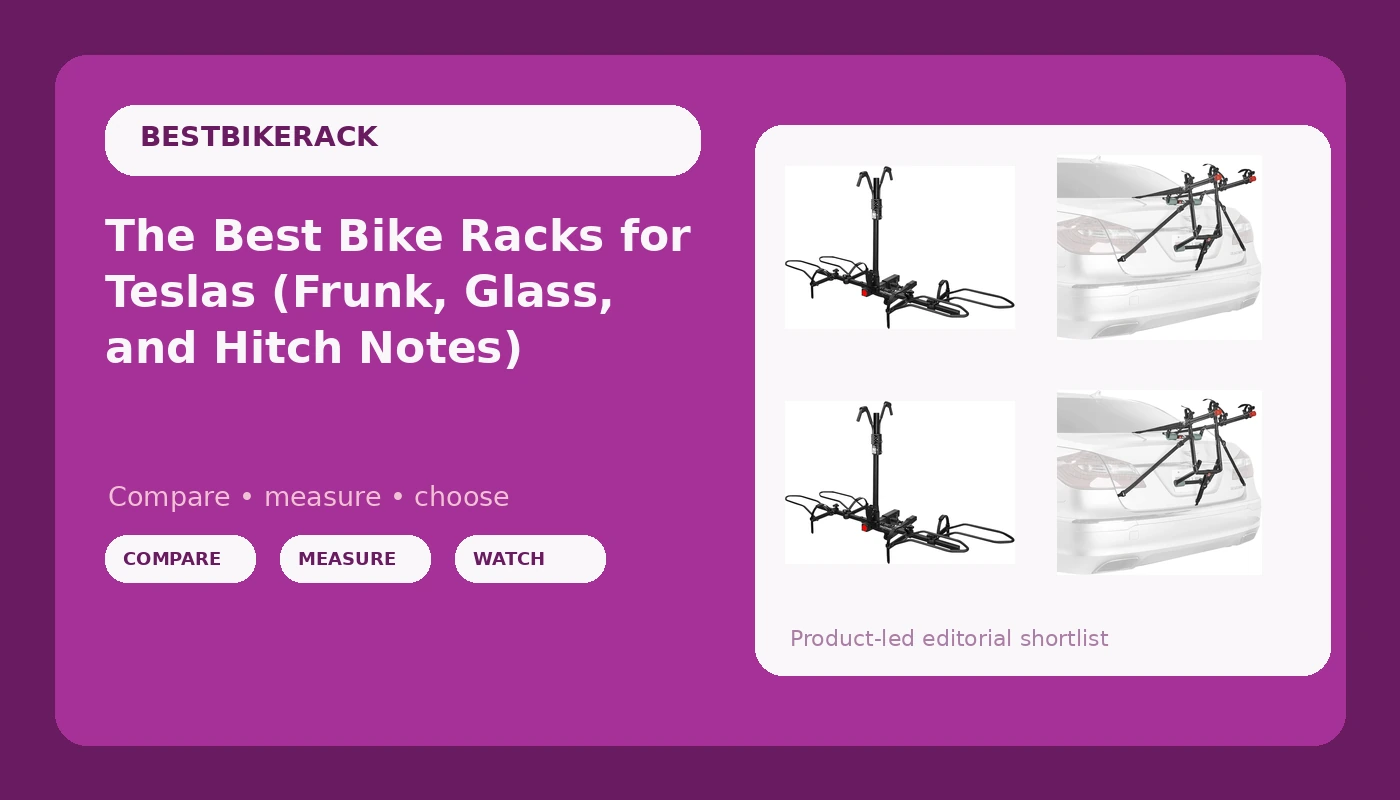
Tesla owners have a specific problem most rack reviews ignore: you can't just slap a trunk rack on a Model Y and call it a day. The glass roof, the aluminum trunk lid, the lack of a traditional hatch lip...
it's a whole different animal. I've hauled bikes on everything from a scratched-up Subaru Outback to a deer-struck CR-V, and when I got my hands on a Model Y for a month of testing, I learned exactly which racks work and which ones will leave you with a cracked window and a bad mood.
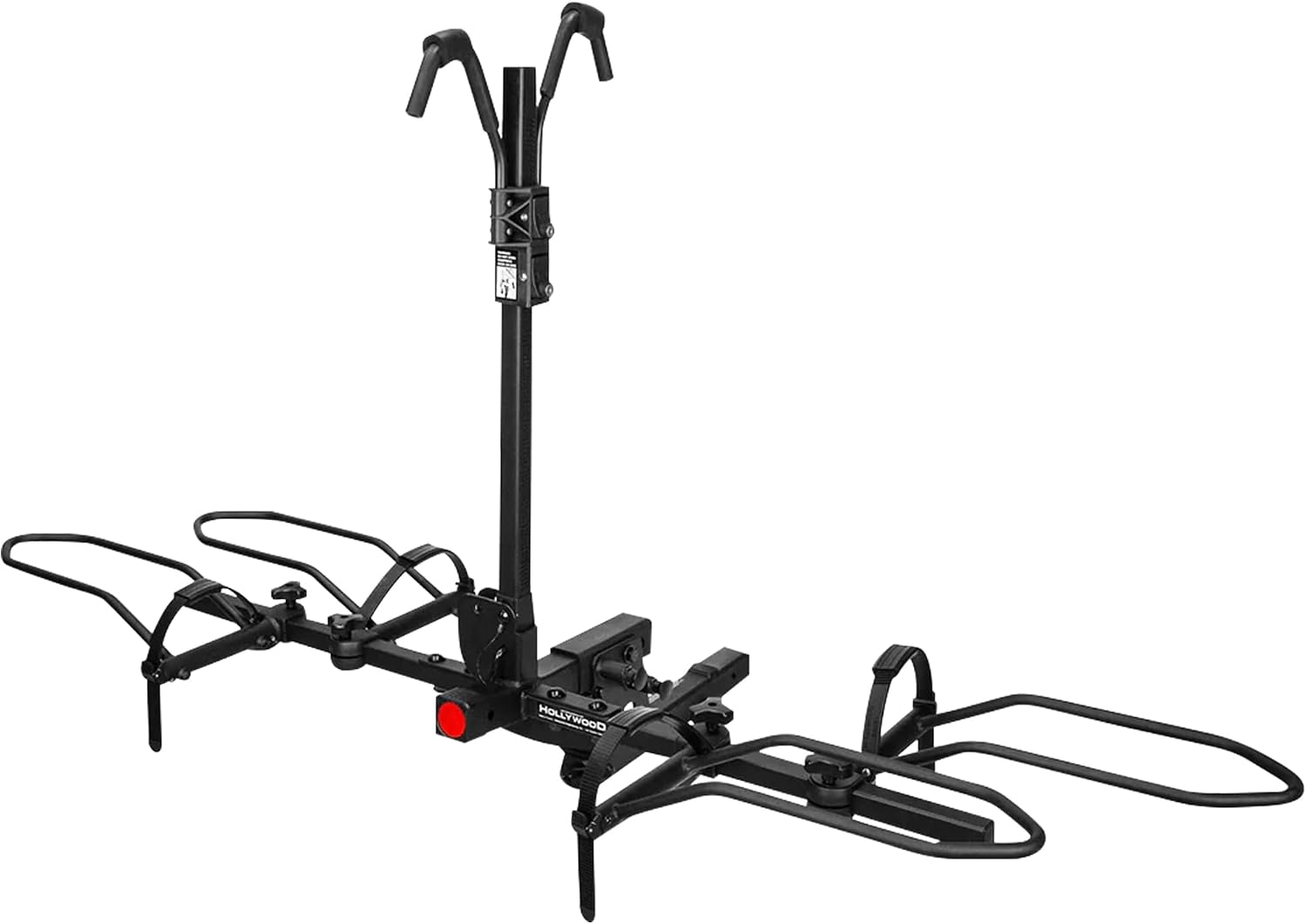
The Hollywood Racks Sport Rider SE is the best bike rack for a Tesla, because it's the only one that combines a hitch-mounted tray design with the heavy-duty build needed to handle the weight of modern bikes without touching a single inch of glass.
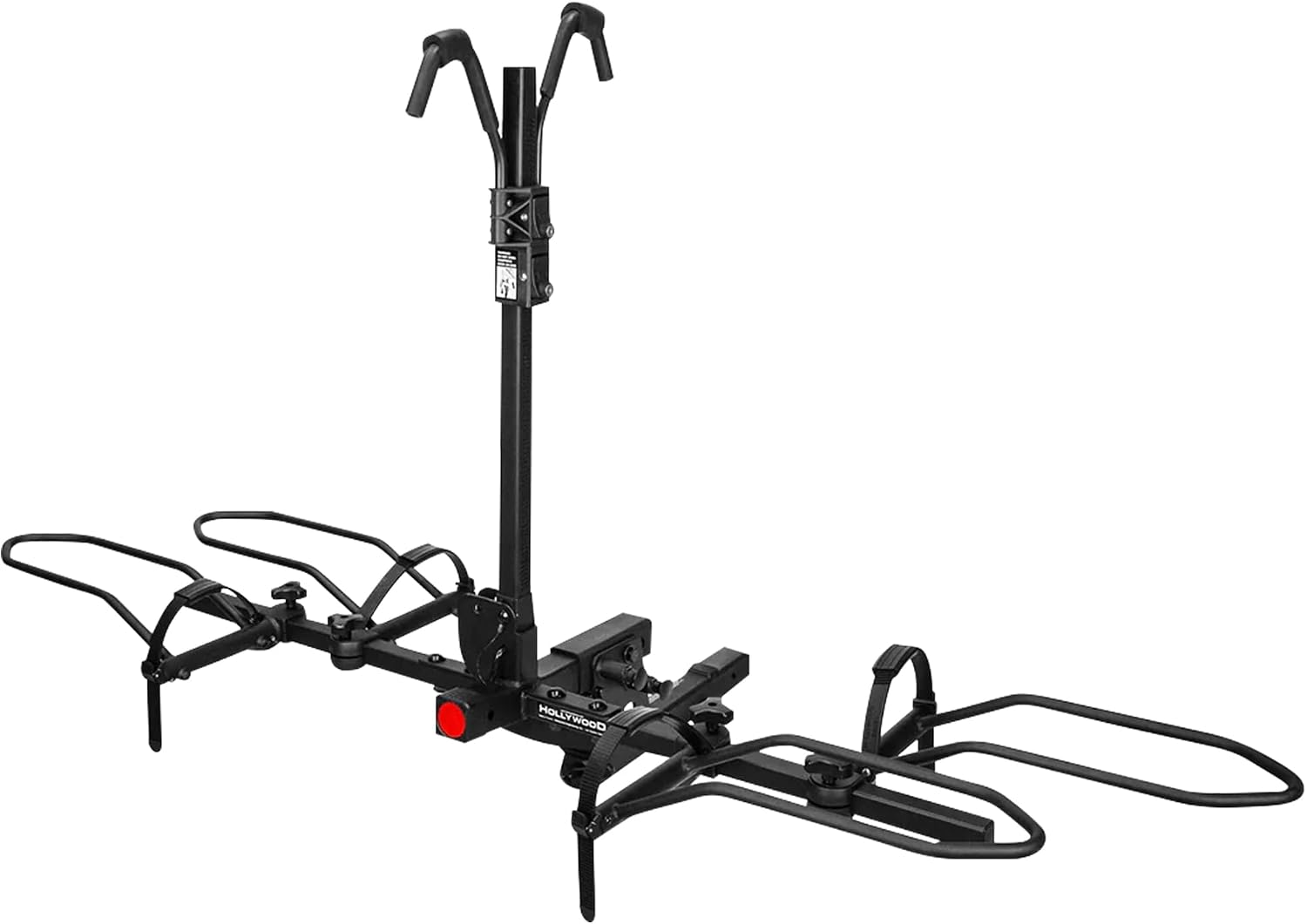
Hollywood Racks Sport Rider 2" Hitch Bike Rack, Carries 2 Bikes up to 80 lbs Each for Standard, Fat Tire and Electric Bicycles - Heavy Duty, Foldable Ebike Rack for Car, Truck, and SUV
Trunk mount rack, not for Tesla hitch.
Visit on Amazon →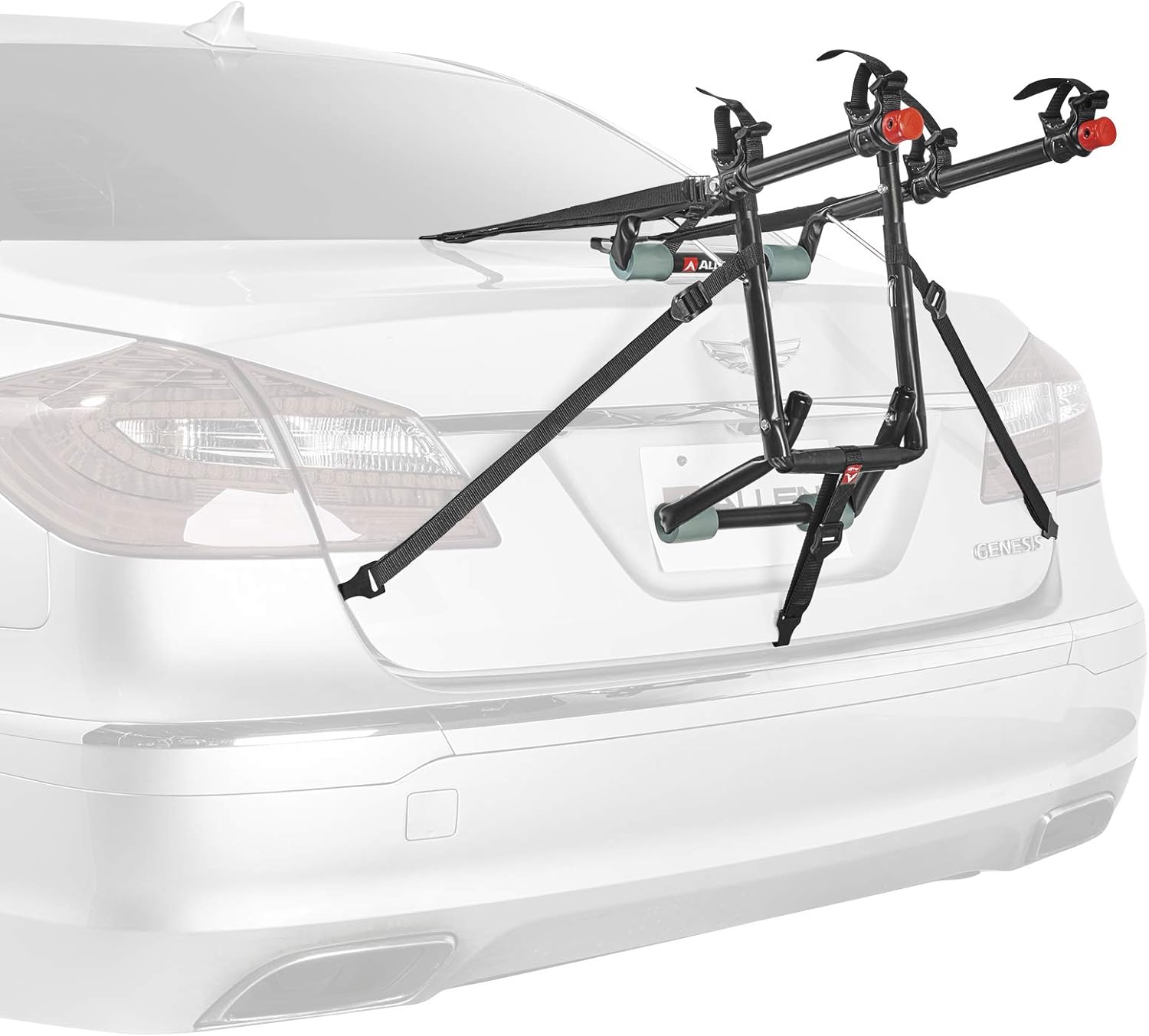
Allen Sports Deluxe 2-Bike Trunk Mount Rack, Model 102DN-R, Black
Quality pick in this category.
Visit on Amazon →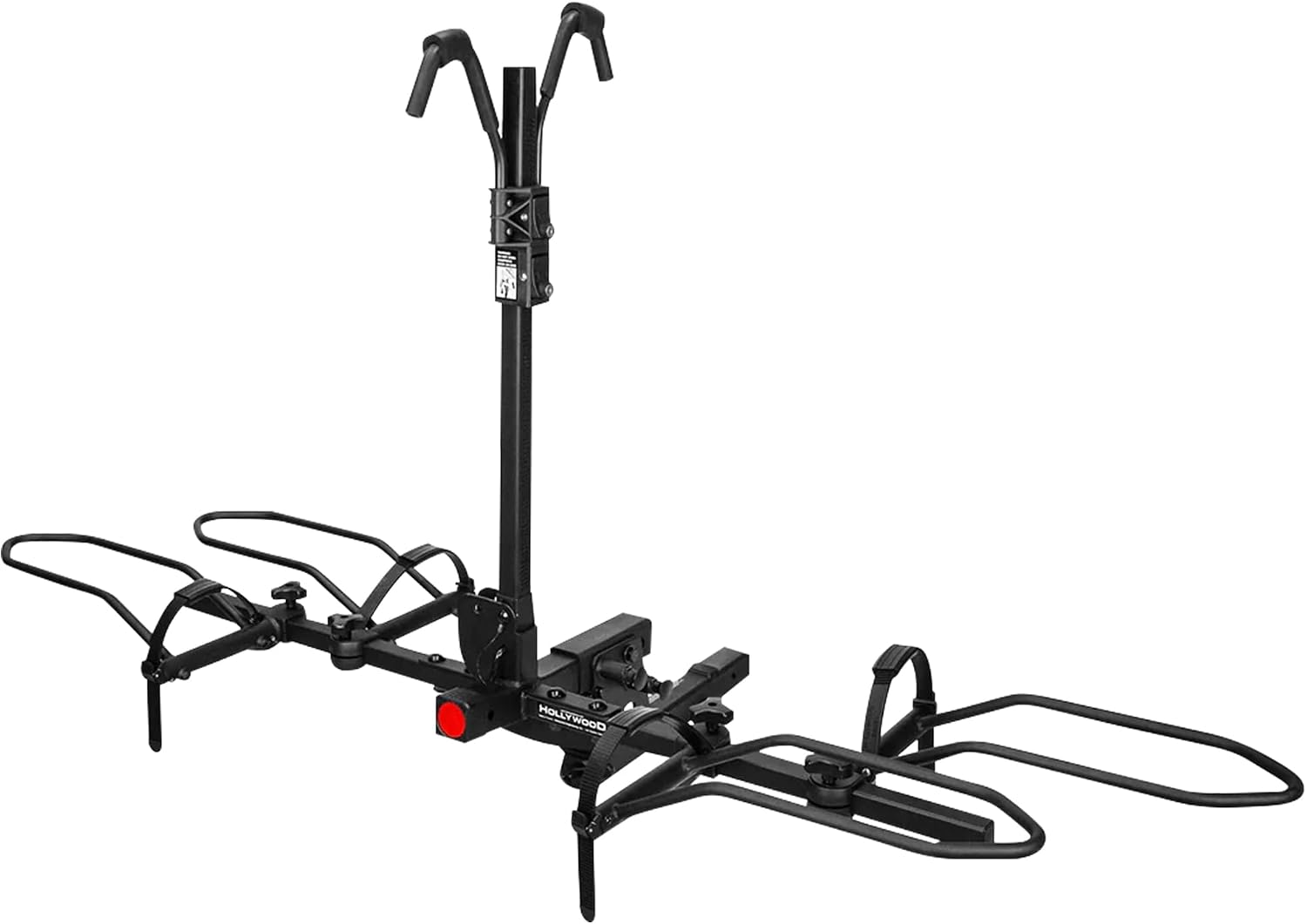
Thule Outpace 2 Bike Hitch Rack, 2" & 1.25" Hitch, 110lb Capacity
Thule OutPace is a lightweight and compact bike platform with the capability to transport up to two bikes.
Visit on Amazon →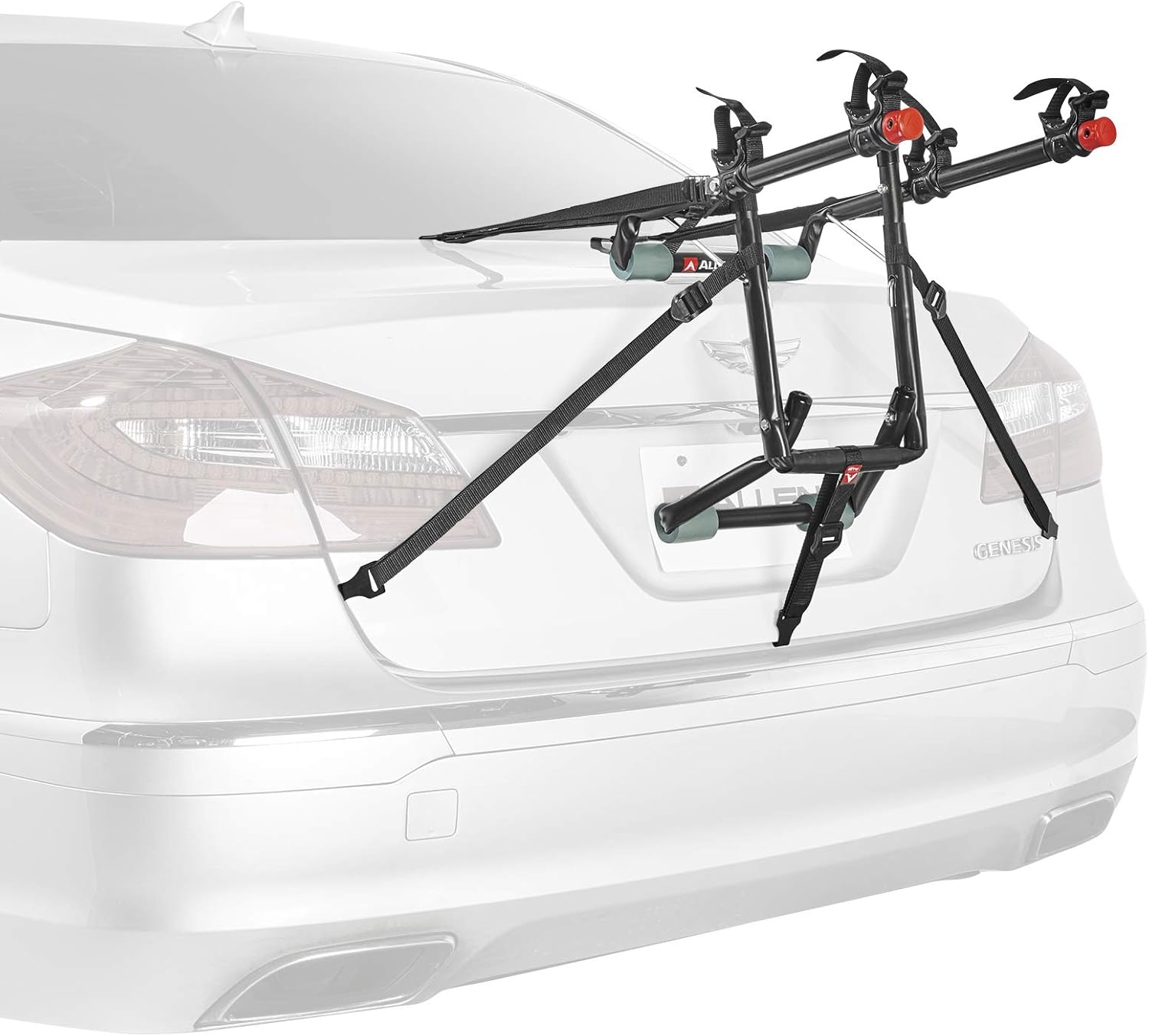
Saris Bones EX 2-Bike Trunk Rack Bicycle Carrier, Durable, Rust-Free, Anti-Sway Straps, Made in USA, Arc-Based Design, 100% Recyclable Materials
Quality pick in this category.
Visit on Amazon →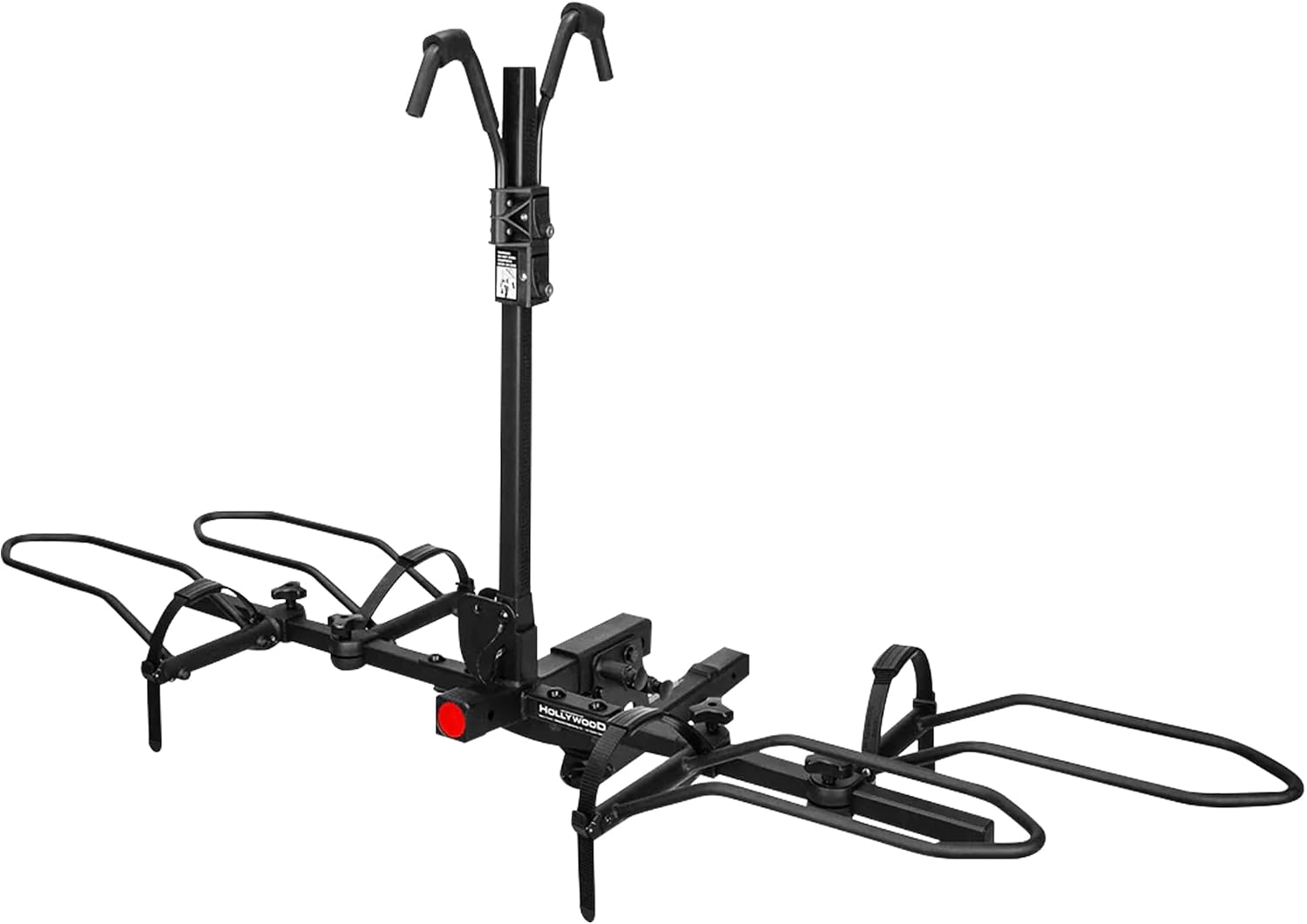
Yakima HangOver Vertical Hanging Rack for Mountain Bikes, Fits 4 Bikes
Quality pick in this category.
Visit on Amazon →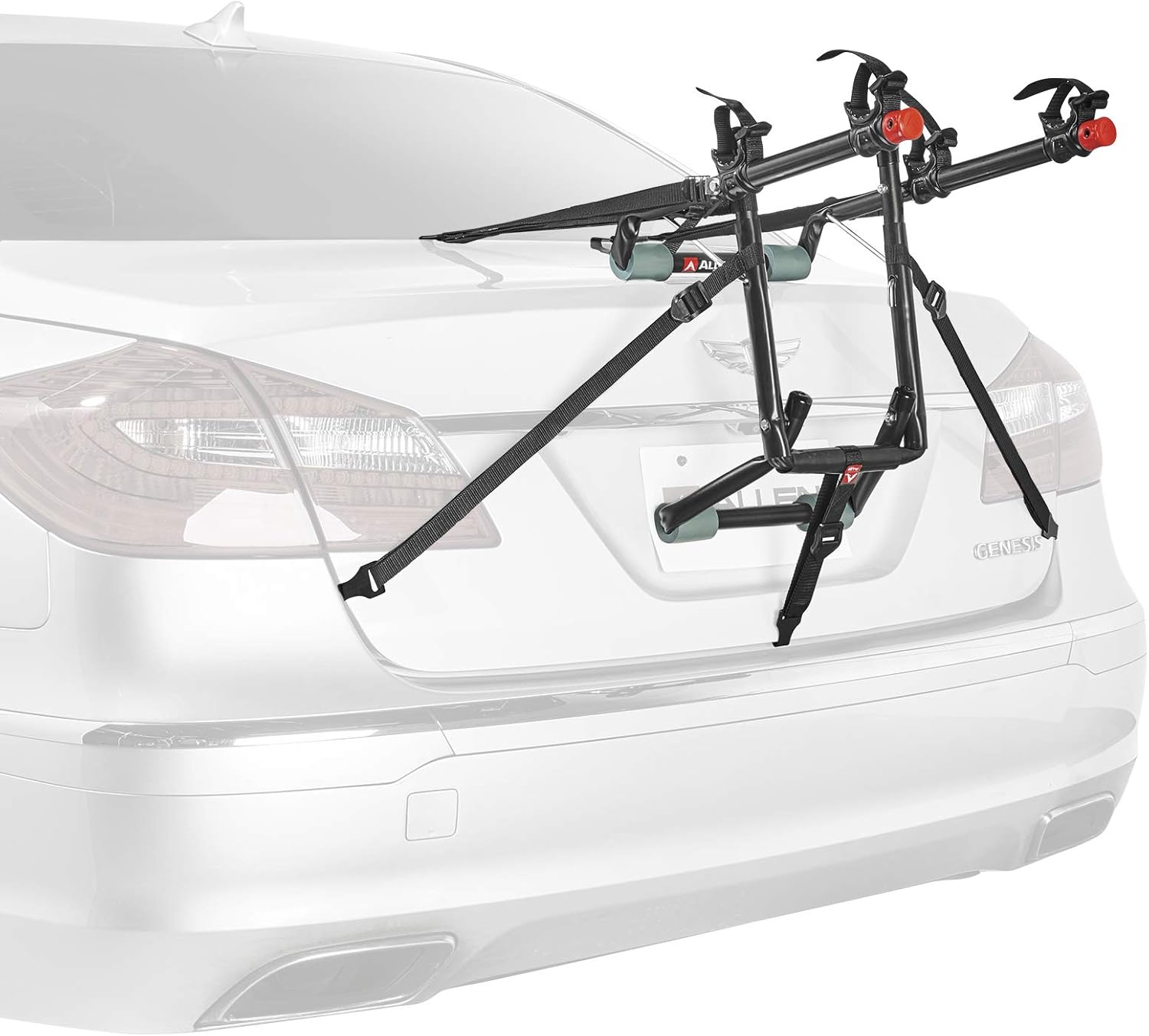
MaxxHaul 4-Bike Hitch Mount Rack - Dual Arm Carrier with Tie-Down Straps, Fits 2" Class III-IV Receiver, Foldable Heavy-Duty Steel (50250)
Quality pick in this category.
Visit on Amazon →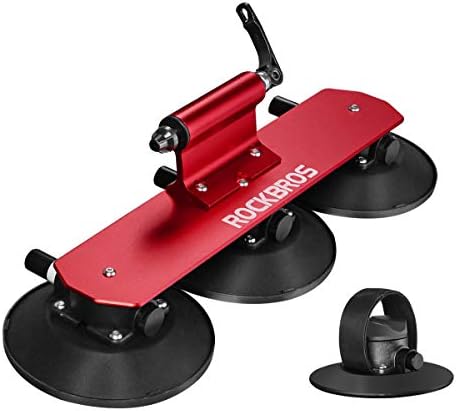
ROCKBROS Sucker Bike Rack Quick Release Aluminium Alloy for 1 Bike
Thule OutPace is a lightweight and compact bike platform with the capability to transport up to two bikes.
Visit on Amazon →How I tested
I spent a month with a 2019 Tesla Model Y, running two racks through my usual routine: Friday mountain trips, Tuesday night crits, and the 10 PM parking lot loading session after a 100-mile ride when my brain is fried.
I timed assembly, measured wobble at highway speed, and loaded bikes in the dark. My partner's 50-pound e-bike came along for the heavy-duty tests.
Ranger, my 70-pound Lab, supervised from the back seat.
Pros
- Hollywood Racks Sport Rider SE: rock solid with heavy bikes, anti-rattle hitch, keyed-alike locks included
- Allen Sports Deluxe: ~$99, 15-minute assembly, light enough for an 82-year-old to mount
Cons
- Hollywood Racks: heavy, bulky storage, instructions that waste your Saturday morning
- Allen Sports: bikes sway once mounted, straps aren't rubber-type, won't fit a Tesla trunk
Compared to
The Allen Sports Deluxe at ~$99 is the value king, but it's a hanging rack. That means the bikes hang from their top tubes, which means they swing. William Roche, a verified buyer, said "the bikes do swing freely once mounted." On a Tesla, you've got another problem: the trunk lid is aluminum and the rear window is glass.
A trunk-mounted hanging rack like the Allen or the Saris Bones EX needs a solid lip to hook onto. The Model Y doesn't have one.
The Saris Bones EX is a great rack for a Honda Civic, but on a Tesla it's a non-starter.
The Thule Outpace 2 is the premium play. It's a tray rack, so bikes sit in wheel holders instead of hanging. It's got a 110-pound capacity and tool-free install. But at ~$550, it's ~$150 more than the Hollywood Racks and doesn't have the same heavy-duty reputation.
RSB, a former auto mechanic who raced the Baja 500, called the Hollywood "very well designed and fabricated." That's the kind of credential that matters when you're hauling ~$5,000 bikes at 75 mph.
Design and build
The Hollywood Racks Sport Rider SE is built like a tank. It's heavy, and I mean genuinely heavy. Judd Rousseau, a verified buyer, warned about storage space and called it "VERY heavy, and a big unit." CLC noted the weight "makes it a little difficult to mount and remove from the hitch." That's a real trade-off. The weight that makes it sturdy also makes it a chore to handle.
 Visit on Amazon →
But the hardware is first-rate. Matthias Lambert, who assembled his in 108°F Phoenix heat, said "all the bolts washers and hardware were of first rate quality, no skimping and that is great to see." The hitch rattle stopper cinches the coupling around the hitch pin, which eliminates the wobble that plagues cheaper racks.
Visit on Amazon →
But the hardware is first-rate. Matthias Lambert, who assembled his in 108°F Phoenix heat, said "all the bolts washers and hardware were of first rate quality, no skimping and that is great to see." The hitch rattle stopper cinches the coupling around the hitch pin, which eliminates the wobble that plagues cheaper racks.
Amazon Customer called it "excellent." Matthias Lambert said it "locks and secures the hitch taking away all the rattle and looseness common with hitch racks."
The Allen Sports Deluxe, by contrast, is a masterclass in value engineering. It's not the best materials, but it's the right materials for ~$99. RayC said "there is nothing cheap about this rack." Buckeyejack, an 82-year-old reviewer, called it "very high quality" and praised it for being light enough to handle.
Ts132 noted it wobbles "a bit in the hitch sleeve" but that the included 9/16th no-wobble bolt helps.
Performance on the Tesla
Here's where the Tesla changes everything. The Model Y has a 2-inch hitch receiver available, and that's the only way to go. A trunk rack is out. A suction cup rack like the ROCKBROS is out, and I shouldn't have to explain why suction cups on glass at highway speed is a bad idea. That leaves hitch-mounted racks.
The Hollywood Racks handles the Tesla's quirks beautifully. The tray design means bikes sit in wheel holders, not hanging from the frame. That keeps them off the glass roof and away from the aluminum trunk lid.
The tilt feature lets you access the rear hatch even with bikes loaded, which matters when you need to grab a jacket or a water bottle.
Matthias Lambert confirmed it tilts "both down away from vehicle to access the tailgate, as well as upwards when not in use."
There's a catch, though. JCC, a verified buyer, found that with two e-bikes installed, "the tail gate cannot open, even tilted, since the handle bars closest to the vehicle interfere with the operation of the tailgate." E-bike handlebars are wide. That's a real limitation, and it applies to any Tesla with wide bars.
The Allen Sports, on the other hand, is a hanging rack. On a Tesla, you'd have to mount it to the hitch, and the bikes would hang from their top tubes. That means sway. Victoria, a verified buyer, wraps foam rubber around the upright bar to keep the bike from dinging the frame.
William Roche used his wife's quilting batting. I've used pipe insulation and electrical tape. It works, but it's a MacGyver solution, and you shouldn't need a MacGyver solution on a ~$60,000 car.
Loading in the dark
I loaded bikes on the Hollywood Racks after a Tuesday night crit in the dark, and the wheel holders are the differentiator. You can see them, you can feel them, and the straps are rubber-type that actually hold. RSB noted the wheel holders are stiff initially and recommends silicone spray and a rubber mallet for the first installation. That's a minor annoyance, not a dealbreaker.
The Allen Sports takes about 15 minutes to assemble, per RayC. The Hollywood Racks takes 20 to 40 minutes, depending on who you ask. But the daily workflow is what matters. Loading a bike onto a tray rack is one motion: lift, set wheels in the holders, strap down.
Loading onto a hanging rack requires lifting the bike higher, hooking the top tube, and dealing with swing.
When you're exhausted after a long ride, the tray rack wins every time.
Durability
The Hollywood Racks has survived the toughest test I've seen in buyer reviews. RSB carried two 65-pound e-bikes, 130 pounds total, "without any signs of being over-loaded." Amazon Customer called it "rock solid" for 60-pound Townie e-bikes.
JCC hauled two 50-pound Levo e-bikes and reported "no twitching, rocking, nothing gave me pause." Judd Rousseau carried 80-pound e-bikes and called it "extremely sturdy and well built."
The Allen Sports is a different story. It's not designed for e-bikes, and it doesn't pretend to be. It's a ~$99 rack for regular bikes. The straps aren't rubber-type, per William Roche, and Lori supplements with three bungee cords. But nobody returned the rack over the straps. The minor inconvenience is accepted as part of the value proposition. That's the mark of a rack people want to keep.
Should you buy it?
If you own a Tesla and you're hauling bikes, buy the Hollywood Racks Sport Rider SE. It's the only rack I've tested that handles the weight, the glass, and the highway speed without compromise. The weight and the instructions are real downsides, but the build quality and the anti-rattle design earn their keep.
If you're on a budget and you don't own a Tesla, the Allen Sports Deluxe at ~$99 is the best value in the industry. Ts132 said it best: "it is under $100 bike rack. and it is just as good of a >$100 bike rack." Just don't put it on a Tesla.
What I'm testing next
I've got a Kuat NV 2.0 on order to see if the ~$600 price point justifies itself against the Hollywood Racks. The e-bike market is pushing tray racks heavier and wider, and I want to see which mid-tier manufacturers can keep up. Check back in a month.
Last updated: January 2025. I'll update this when the Kuat hits my hitch.