I have a confession about the phrase blaster vs 3-in-one bike racks: it reads like a question about two aerosol brands, and the honest answer is that neither can is a rack. But the question underneath it is real. Every rack I have owned has eventually developed a creak, a stuck pin, or a rail that started chewing wheel straps. Twelve years, eight racks, one deer strike, and a lot of Colorado highway miles later, I can tell you the parts that fail are almost never the mast or the trays. They are the small steel pins, the pivot bolts, the tilt latch, and the aluminum sliding surfaces that nobody lubricates until they complain out loud.
Related: Tray vs Hanging Bike Racks: What Actually Survives a Highway Run
The short answer: the WD-40 Specialist Penetrant and 3-in-ONE combo pack is the one purchase that covers both unfreezing seized hardware and keeping it free, the dry wax aerosol is the right call for tray rails and aluminum tracks that live outside, and the graduated applicator is the shop tool that puts grease exactly where it belongs instead of on your paint and rotors. Which one you actually need depends on whether your problem is rust, grit, or aim. Those are three different problems, and confusing them is how people end up with a rack that walks around in the receiver at highway speed.

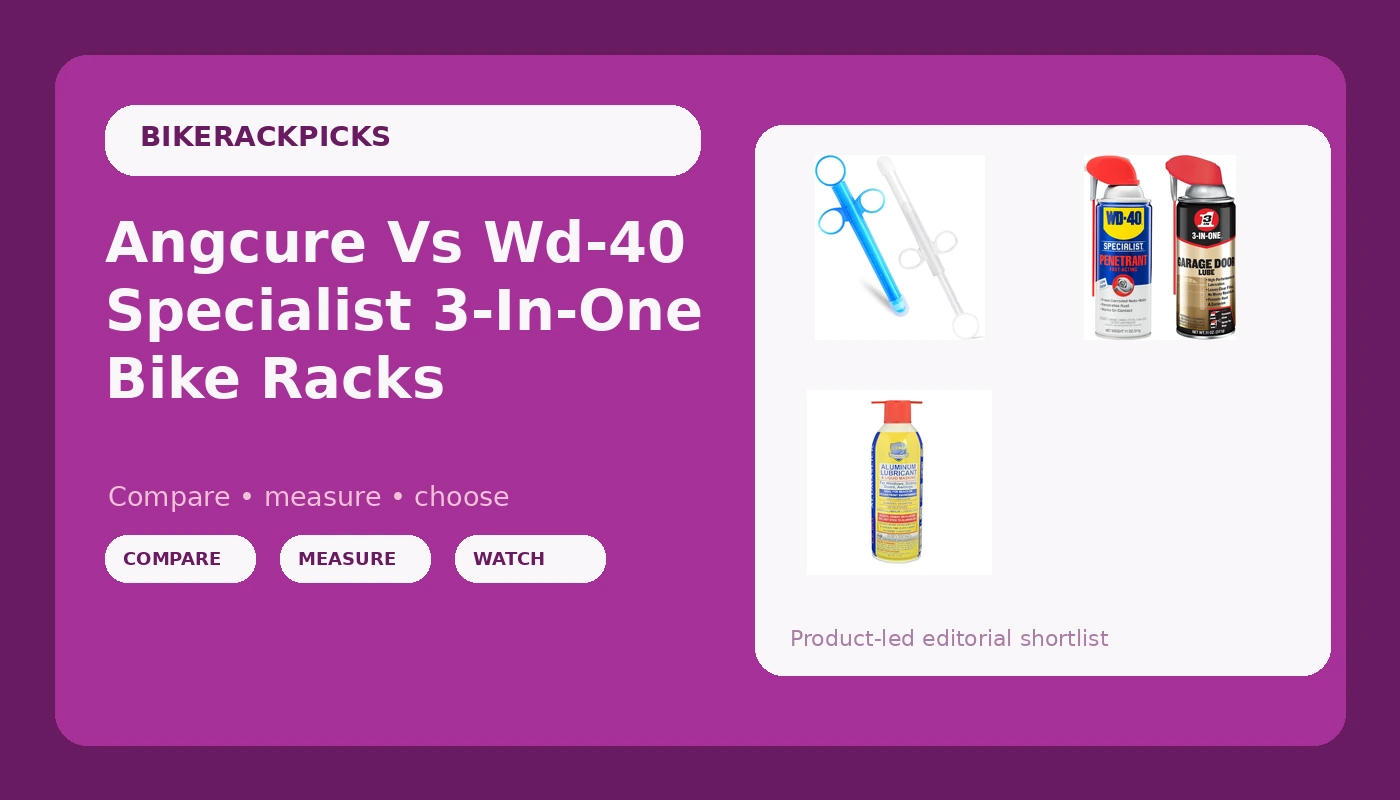
lube applicator [2 Pack+Storage Bag] for Women,Men,Female Lubricant Tube Shooter with 10ml Scales, Reusable, Smooth with Rounded Tip & Cap,Easy use/Clean
Puts a measured amount of grease exactly on a hitch pin or pivot bolt, with no overspray on paint or rotors
It is an applicator, not a lubricant, and 10 ml goes fast on a full rack service
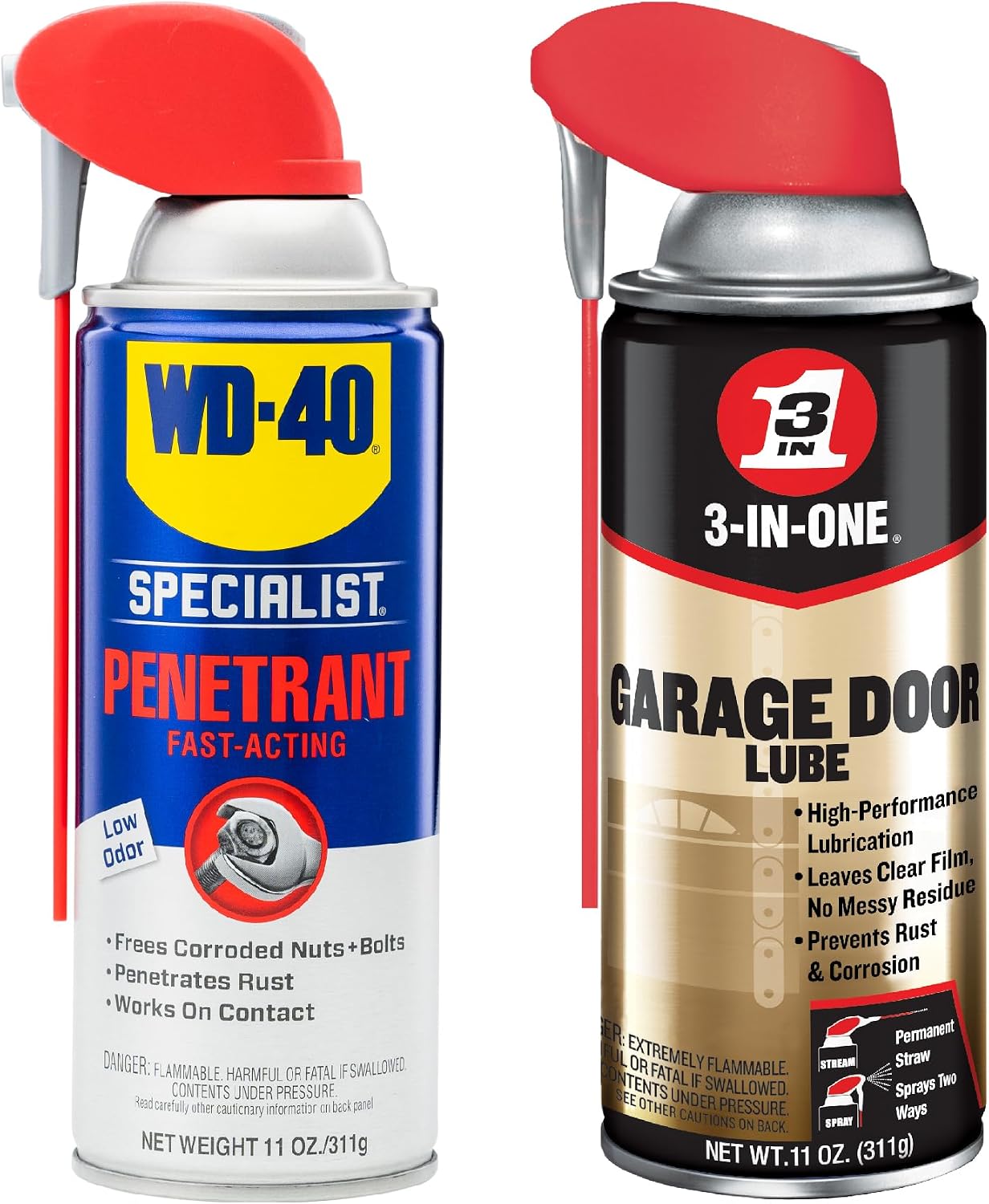
WD-40 Specialist Penetrant & 3-in-ONE Garage Door Lube, 11 OZ [Combo-Pack]
Two cans cover both jobs: penetrant for seized hardware, light lube for pivots and rails
The penetrant is not a long-term lubricant, and the light lube needs reapplication after rain
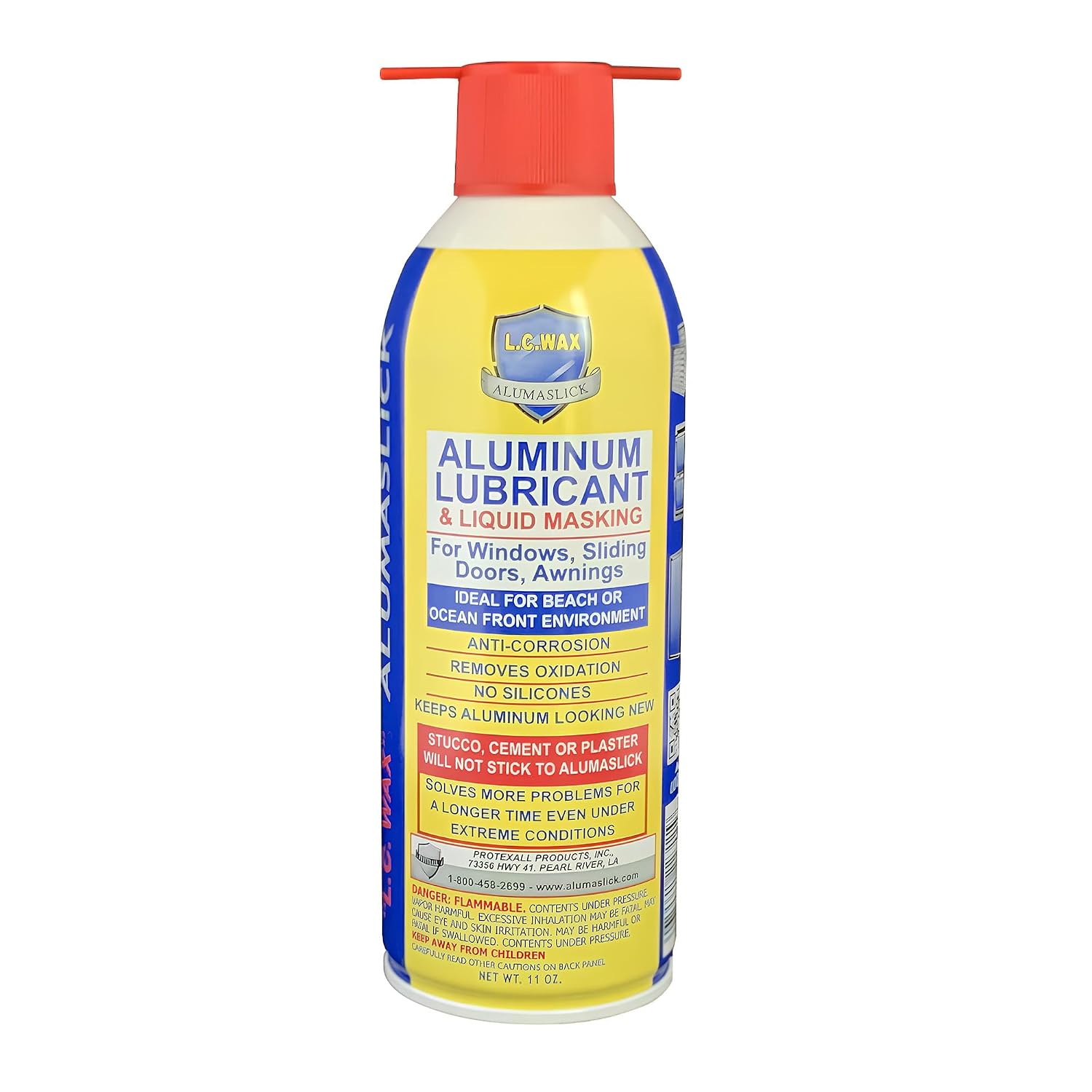
Wax Aluminum Lubricant Aerosol for Windows & Door Tracks, 11 oz
Leaves a dry wax film on tray rails and aluminum tracks that does not hold grit the way oil does
It will not free a rusted pin or carry load in a pivot, and it needs a clean dry surface to bond
Prices and availability were captured from Amazon Creators API and may change.
How I test a rack lubricant
Every product here goes onto a rack bolted to a 2-inch hitch on a car that does 75 mph on I-25 with a bike sitting on the tray. Before anything gets applied, the part gets cleaned with a rag and a brush, because lubricant on top of grit is just polished grit. Then I apply it, cycle the mechanism at least twenty times, and load a bike in the dark without a headlamp, which is the only loading test that matters to anyone who finishes a ride after sunset.
I check four things. Does the part move freely under load? Does the product stay where I put it instead of migrating? Does it collect dust on the rail? And does it touch anything it should not touch? Brake rotors, carbon rims, and paint are the three surfaces a rack lubricant is allowed to ruin exactly once. I also care what happens after rain and after a car wash, because a product that needs weekly reapplication is a product I will quietly stop applying by July, and then I am back to a creaking rack and a seized pin.
That is the whole methodology. No lab, no force gauge on the aerosol cans, just a rack, a bike, a highway, and a winter.
What blaster vs 3-in-one bike racks actually means for a rack
Strip the brand names away and the comparison is between two families of product. A penetrant is a thin, solvent-carried oil built to creep into threads and break the bond that rust makes. A light lube is built to sit on a sliding surface and reduce friction without collecting a carpet of road dust. On a bike rack, those two families map onto two different jobs.
The penetrant job is the hitch pin that has not moved since last winter, the anti-rattle bolt under the mast, and the lock cylinder that has swallowed two seasons of road spray. The light lube job is the tilt pivot, the folding joint, the wheel hook threads, and the rail the front wheel sits in. A garage door lube is a genuinely good fit for that second list, because a garage door track and a tray rail are both long aluminum or steel sliding surfaces that need a thin film rather than a heavy grease.
The combo pack puts one can of each in your garage in a single purchase, and that is the reason it wins this comparison. It is not the strongest product in any single category. It is the only one here that covers both the unfreezing and the keeping-free, and most rack problems are one or the other. If you are buying one thing, buy the pair.
The penetrant lane: hitch pins, anti-rattle bolts, and locks
Rust is the enemy that gets ignored because it happens underneath the car where nobody looks. A hitch pin that comes out with a wiggle in April can be a pin that needs pliers in November. This is where the WD-40 Specialist Penetrant half of the combo earns its place, and it is the closest thing here to the Blaster-style job people are searching for when they type that comparison.
The workflow matters more than the can. Spray the pin and the surrounding collar, give it time to creep, then work the pin in and out rather than yanking on it. Wipe the brown residue off before you re-lubricate, because the residue is rust and old grease and it will just come back. Then follow with something that stays, which is the second can or a dab of grease from the applicator. A penetrant alone will free a pin and then leave it dry, and dry steel under a car is steel that rusts faster than it did before you started.
Lock cylinders get the same treatment with a lighter touch. A rack lock that has been through road salt will gum up, and a dry film lubricant after the penetrant is a better long-term answer than a wet oil that collects grit in the keyway.
The dry wax lane: tray rails, wheel chocks, and aluminum tracks
The wax aerosol is the product most people would not think to buy for a rack, and it is the one I reach for most often between deep services. It goes on wet, the carrier flashes off, and what stays behind is a dry film. That matters because the failure mode on a tray rail is not friction, it is abrasion from grit trapped in whatever you sprayed there.
On an aluminum tray, a dry film lets the wheel strap and the ratchet buckle slide without grinding, and it does not turn the rail into a dust magnet on a gravel drive. It is also the right call for a folding joint that lives outside and for the tilt slider on a heavier rack, where you want lubrication without a wet surface that attracts everything you drive through.
Two limits, and they are firm. It needs a clean, dry surface, so a rail that is already coated in old grease has to be degreased first or the wax bonds to the grease and does nothing. And it is a surface lubricant, not a thread lubricant. Do not put it on a hitch pin and expect it to survive a winter. It will not.
The applicator lane: measured grease where a spray can overshoots
This is the odd one out in the comparison, and I want to be direct about it. The two-pack with the storage bag is sold as a personal lubricant applicator, with a 10 ml graduated scale, a rounded tip, and a cap. I do not use it for that. I use it in the garage as a measured grease dispenser, because the thing a rack pivot actually needs is a small, precise amount of heavy grease, and an aerosol cannot deliver that.
The graduated scale is the useful part. You can see how much you are putting into a hitch receiver or a tilt latch, which means you stop overfilling and stop cleaning up the excess. The rounded tip gets into a pivot bolt head and a folding joint without dragging grease across the tray, and the cap means it can live in the rack bag without anointing everything else in there. Reusable and easy to clean matters too, because a tool you dread cleaning is a tool that stays in the drawer.
What it is not is a lubricant, so it does not replace the other two. It is the delivery system. If you are the person who has been spraying grease in the general direction of a pivot and hoping, this is the upgrade that keeps it off your rotors.
What the pattern says
Across all three, the pattern is that precision beats volume. The applicator wins on aim, the wax wins on cleanliness, and the combo pack wins on coverage. Aerosol cans are convenient but they overspray, and overspray near a disc brake or a carbon rim is a problem you only make once.
The second pattern is that the cheapest way to damage a rack is to lubricate the wrong part. Heavy grease on a tray rail collects grit and turns into lapping compound. Dry wax in a loaded pivot does nothing and wears away in a week. Penetrant left as a final coat leaves steel dry. Each of these products is correct in exactly one lane, and the blaster vs 3-in-one bike racks question really only has a satisfying answer once you accept that the two lanes are complementary rather than competing.
The third pattern is durability of habit. The rack that stays quiet is not the one that got the most expensive treatment once. It is the one that got a small, correct treatment at every seasonal change, which is a five-minute job if you have the right three things on the shelf.
Do you need all three?
For a weekend gravel rider with a 2-inch hitch and a rack that lives on the car from April to November, start with the combo pack. It solves the two problems that actually strand you, which are a pin that will not move and a pivot that creaks. Add the wax aerosol if the rack sleeps outside or if your tray rails have started to gall, and add the applicator if you are tired of grease where grease does not belong. That order matters more than the total spend.
If you arrived from a search for Blaster vs 3-IN-ONE bike racks expecting a straight shootout between two cans, this is the honest shape of it. The penetrant lane and the light lube lane are not rivals. They are two steps in the same maintenance routine, and a rack that gets both steps is a rack that is still quiet at year five. The only person who needs to pick a side is someone with a single specific problem, and even then, the answer is usually the penetrant first and the lube second.
One thing I will not do is tell you a lubricant fixes a worn rack. If your anti-sway cradle is wallowed out or your hitch pin hole is oval, no can in this comparison is going to save it. Lubes prevent and quiet. They do not repair.
What I'm testing next
I have a hitch pin that has spent a full winter under a car with the penetrant and light lube routine, and I want to see whether the pair holds up better than the grease-and-hope approach I used for years. I am also running the applicator through a season of bearing grease and pivot work to see whether the 10 ml scale is enough for a full rack service or whether it becomes a two-fill job.
The larger project is the wobble question. Lighter aluminum trays are showing up everywhere, and thin aluminum flexes differently than steel under load. Lubrication is part of that story, because a dry pivot binds and a binding pivot transmits load into the frame instead of letting it move. I will have notes on that once the snow clears.